

Market & Demand Research
Launching a new project without analytics is a high risk.
Most failures happen not because of the product, but because of wrong assumptions about the market.
Perceived demand ≠ real demand.
We analyze the competitive landscape, market signals, and user demand using open sources and OSINT methods.
A solution for launching new products and services without blind risk—based on search demand analytics and competitive landscape insights


Open-Data Research
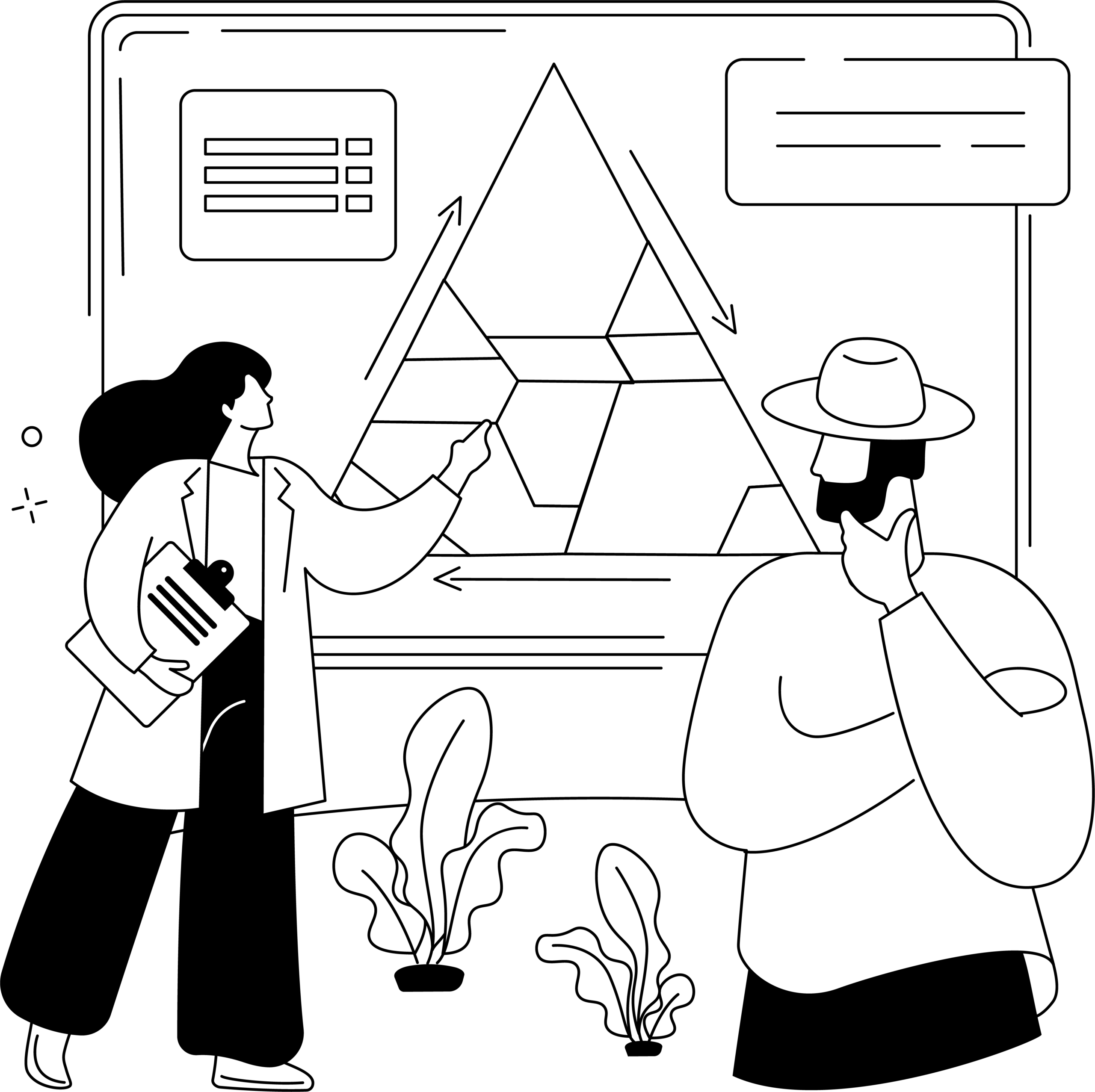
We work with real online data shaped by the market and users.
This is not just research — it’s a decision-making tool.
You get a clear view of real demand, key competitors, and the overall market context, including:
- where competitors get their traffic from,
- how much traffic they generate,
- how often people search for your product or service,
- the level of online interest,
- and more.

OSINT Methodology
We analyze competitor projects, user behavioral and search signals, and other real data available through our sources — not assumptions or hypotheses.
Real signals → real conclusions.
We analyze search demand across Google and YouTube, the popularity of categories and trends on social media, and open industry and statistical data (e.g., imports, exports, and other indicators).
Benefits of Analytics
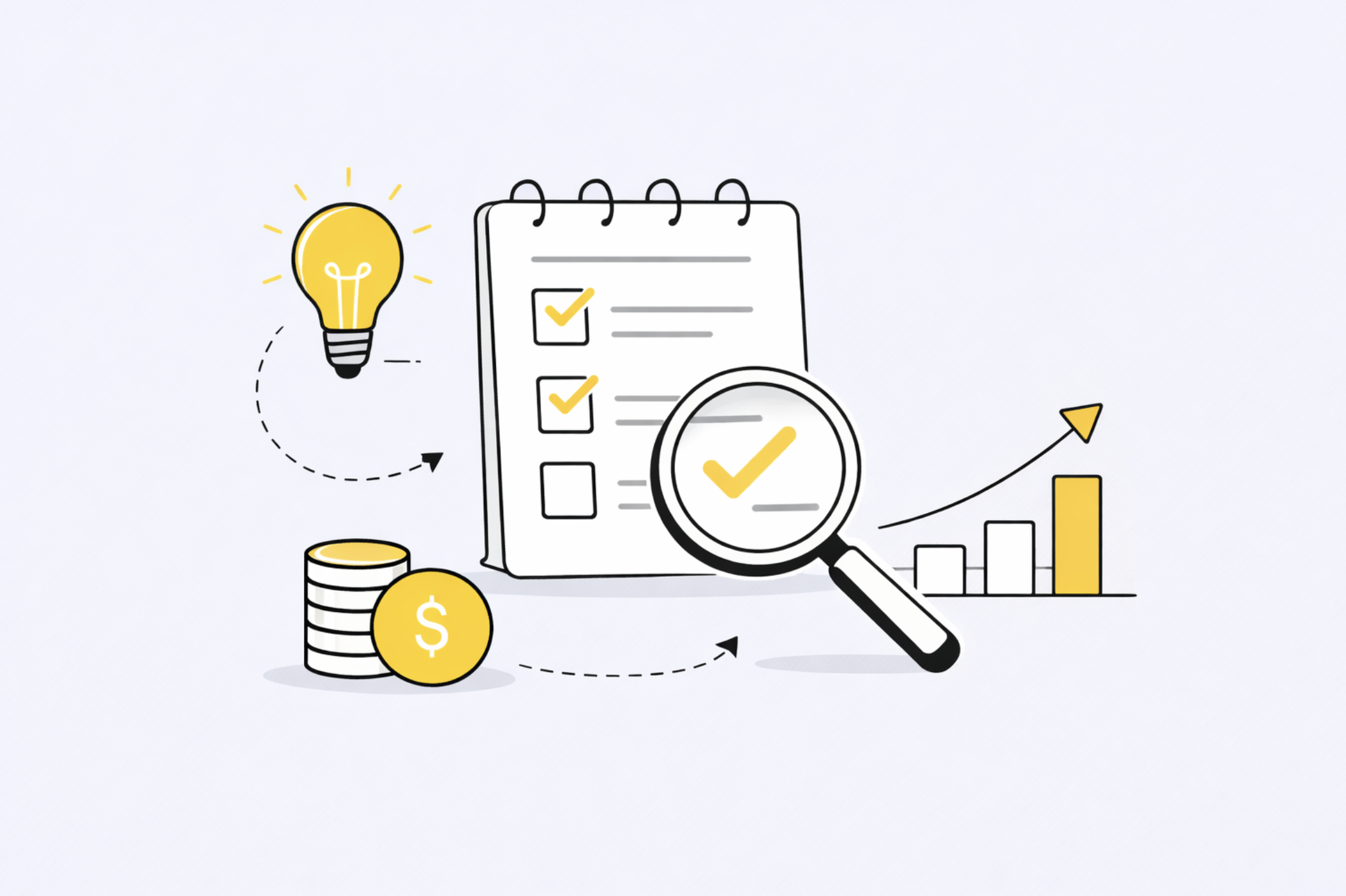
Investment idea validation
Analytics helps you assess an idea before spending on development and marketing—and avoid investing in non-viable hypotheses.
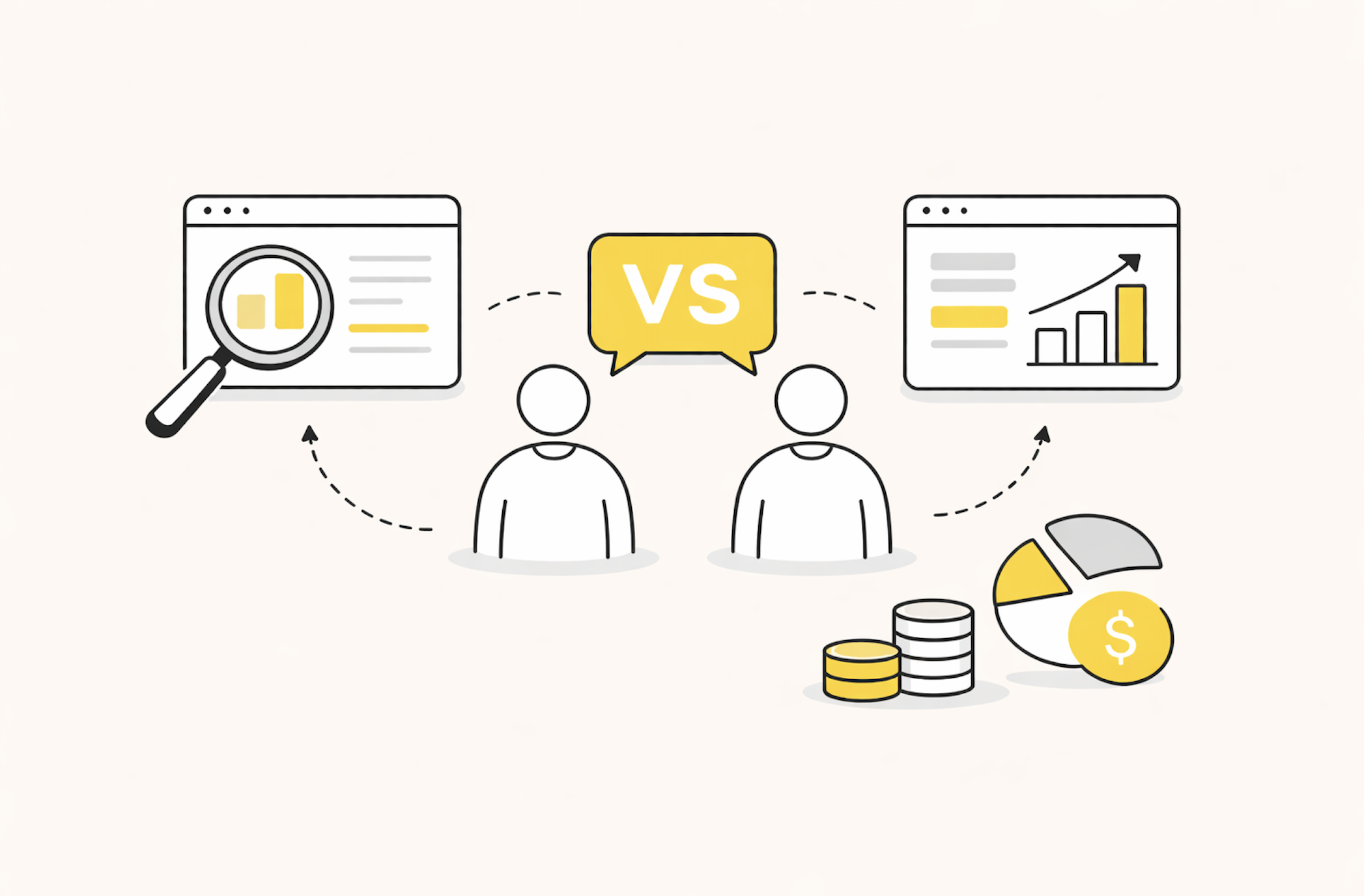
Real competitive landscape
Gives a clear understanding of who is already in the market, how they position themselves, and what they compete on.

Strengths & weaknesses
Research highlights opportunities, constraints, and risks that aren’t obvious without data-driven analysis.
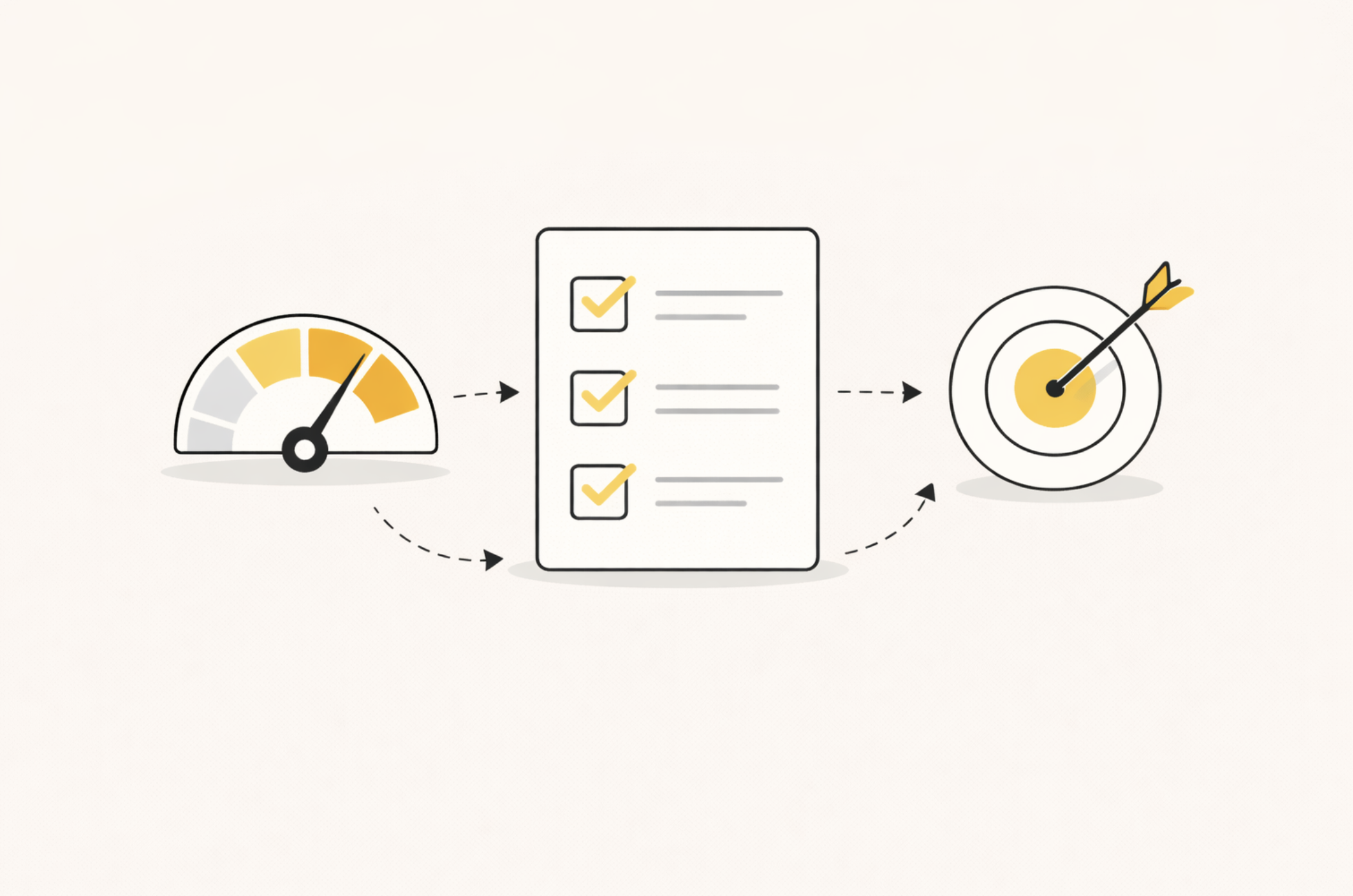
Potential assessment
Analytics shows real demand and market trends—not subjective expectations or assumptions.
Who it’s for and when it’s useful
Startups before getting started
Companies entering a new niche before expansion
Before building a new website to avoid costly mistakes
To save time and budget early validation
Businesses with a new product or service before launch
Investors and founders before committing resources
To assess
market risk
To clarify positioning
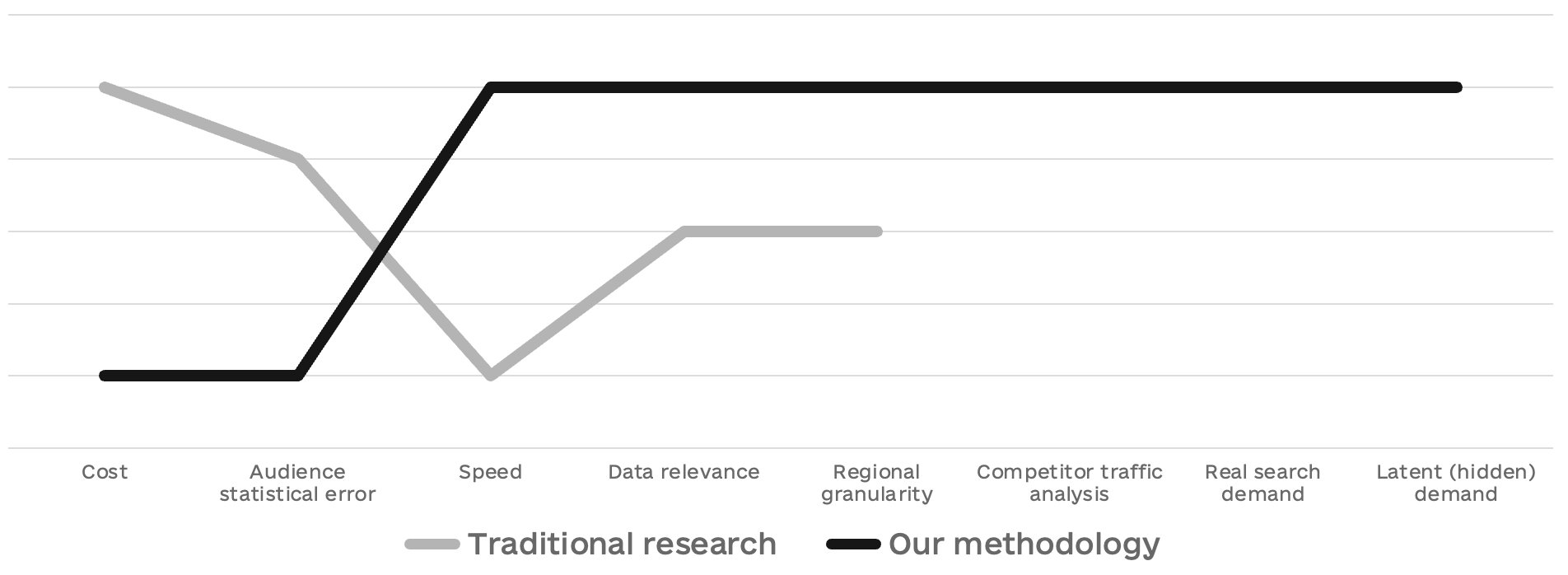
Differences between approaches
You see the real situation online—even if your product or service operates offline. Demand and competitors still exist in the digital environment.
You understand exactly who your competitors are, which acquisition channels they use, and where their traffic comes from.
Research stages
The framework is indicative.
Research stages are tailored to each client’s goals and needs.
Week 01
Discovery & Scoping
Defining the research goals, setting the market, regions, competitive landscape, and the key hypotheses to validate.
Week 02 – 03
Data collection
Collecting data from open sources.
Competitor analysis
Reviewing key competitors: traffic, positioning, acquisition channels, online visibility, activity, and scale.
Demand analysis
Assessing search and online demand: volumes, semantics, regional interest, and user behavioral signals.
Week 04
Report
Delivering a structured analytical report with key findings and practical recommendations.
Discussion
Presenting the results.
Pricing

Additional value
In addition to market analytics, you receive a refined semantic core based on real demand—ready to use for your website structure, SEO, and content strategy.

What affects the cost
- depth and scope of the research
- number of competitors and markets
- volume of demand and data analysis
- niche complexity and geographic coverage
You’re investing in research that gives you a clear understanding of the market and competitive landscape before execution starts.

Cost guideline
Pricing is tailored to your objectives and is significantly lower than traditional research formats.
In most cases, the investment is far smaller than even a single project phase, enabling you to make decisions before major work begins and avoid much larger losses later.